
NPK Health Integration Podcast "Don't Should on Yourself—Healing Generational Wounds & Trauma Recovery", A Conversation with Michelle Smith, LMHC
By Nadine Pierre Kelly NPK Health Integration
Published: January 7, 2026

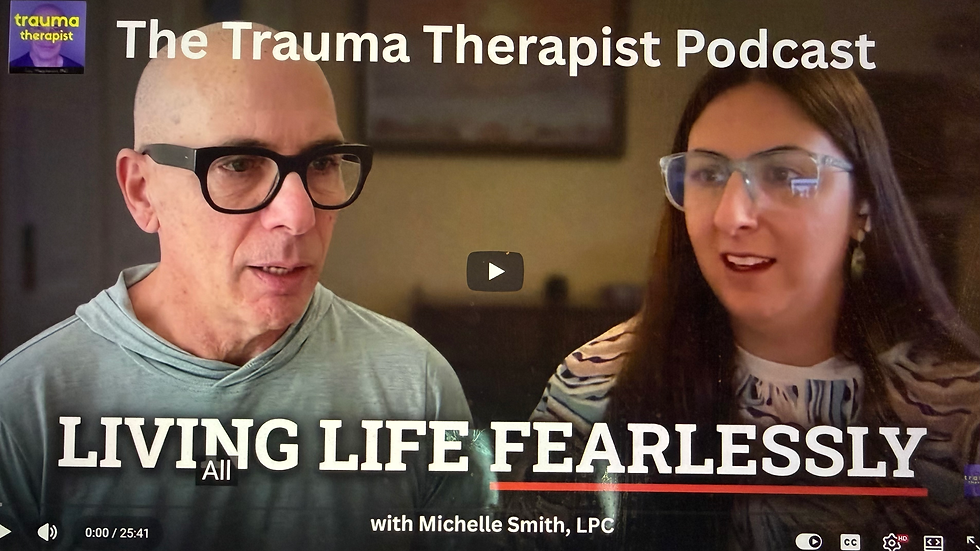
Happy New Year! As we step into 2026, I’m honored to have been featured as a guest on the NPK Integration Health Podcast, appearing on the Health Raisers episode for a meaningful and timely conversation about intergenerational trauma and healing.
This episode focuses on how trauma can be passed down through families and communities, how it shows up in our nervous systems and relationships, and most importantly how we can begin to heal without abandoning ourselves or our values.
Understanding Intergenerational Trauma & Trauma Recovery
Intergenerational trauma refers to emotional, psychological, and physiological patterns that are transmitted across generations. These patterns often develop as survival responses to chronic stress, adversity, loss, or systemic harm.
On the podcast, we explored:
• What intergenerational trauma really is (and what it isn’t)
• How survival-based coping patterns get passed down
• Why awareness is the first step toward change
Many people don’t realize they’re carrying trauma responses that didn’t originate with them yet those responses still impact daily life, relationships, and health.
Healing Without Guilt or Shame
A central theme of the conversation was the difference between guilt and shame in the trauma recovery & healing process
• Guilt can signal misalignment with values and invite reflection
• Shame often keeps people stuck, disconnected, and silent
We discussed how trauma-informed therapy helps clients untangle these emotions so healing becomes empowering rather than self-punishing.
Boundaries, Detachment, and Respecting Elders
Another important topic was boundaries especially when navigating family dynamics especially within trauma recovery
We talked about:
• When detachment can be healthy and protective
• How to balance cultural or familial respect with personal wellbeing
• Letting go of survival roles that no longer serve you
Setting boundaries doesn’t mean rejecting family it often means choosing a healthier way of relating.
From Surviving to Thriving
Intergenerational trauma often keeps people in a chronic state of survival mode which is common with trauma recovery. Therapy can support the nervous system in learning safety, flexibility, and resilience making space for a more grounded, fulfilling life.
In this episode, we explored how healing allows people to:
• Move out of constant hypervigilance
• Build healthier relationships
• Create new patterns for future generations
🎧 Watch the full episode here:
Begin Your Own Healing Journey
As we begin a new year, I invite you to set an intention to heal—not just for today, but for your future self and future generations.
You can visit www.michellesmithlmhc.com to:
• Book a free consultation
• Sign up for my email newsletter
• Join the interest list for my upcoming 9-week Chronic Illness & Pain Management virtual group therapy
I provide trauma-informed, virtual therapy for adults in Florida, New Hampshire, Oklahoma, and Oregon, with special focus areas including intergenerational trauma, EMDR therapy, chronic illness, grief and loss, polyamory affirming care, and neurodivergent support.
Here’s to breaking cycles and stepping into thriving in 2026. 💫
Warmly,
Michelle Smith, LMHC


Comments